Professional Mold Removal Services: Protect Your Health and Property
Mold can make its way into homes unnoticed, placing serious health risks and compromising structural integrity. Many homeowners fail to see the importance of expert mold removal assistance. These authorities not only identify concealed mold but also implement proven approaches to banish it. Comprehending the signals of mold growth and the grave consequences is vital for sustaining a secure living space. Researching the nuances of mold remediation could disclose critical insights for safeguarding one's residence and wellbeing.
Signs You Require Expert Mold Services
How can one assess if mold has become a serious problem in their home? Signs often include visible mold growth on walls, ceilings, or other surfaces. A musty odor may spread through the air, indicating hidden mold behind walls or under flooring. Frequent water leaks or high humidity levels can also indicate potential mold problems. Homeowners should be vigilant for symptoms such as persistent allergies or respiratory issues among family members, which may indicate mold exposure. Additionally, dark spots or discoloration in areas prone to moisture, like bathrooms or basements, require immediate attention. If mold is extensive or covers more than ten square feet, it is advisable to seek professional mold remediation services. Ignoring these signs can lead to more significant issues, making early detection essential for maintaining a safe living environment. Timely intervention can prevent further contamination and protect the home from potential damage.
Health Complications and Structural Breakdown Induced by Mold
Mold presents significant health hazards, especially for individuals with breathing disorders or weakened immune systems. In addition to health concerns, mold can significantly damage the structural integrity of buildings, leading to expensive restoration. Comprehending these consequences is essential for effective mold removal.
The Wellness Effects of Mold
When mold establishes itself in a home, it can create considerable health implications and generate building framework damage. Mold spores, when inhaled, can trigger allergic responses, breathing issues, and intensify asthma symptoms. People with compromised immune systems or pre-existing health conditions are especially vulnerable, experiencing symptoms such as headaches, fatigue, and skin irritation. Sustained exposure may lead to more severe health complications, including chronic respiratory diseases. Furthermore, mold can release mycotoxins, which have been linked to neurological and other systemic effects. It is essential for homeowners to recognize these risks and manage mold problems promptly, ensuring a more secure living environment for all occupants. Ignoring mold issues can lead to a decrease in overall well-being and quality of life.
Structural Integrity Breach
Unchecked fungi growth can deeply affect a home's structural integrity. Mold reproduces in damp environments, breaking down natural materials such as wood, drywall, and insulation. Over time, this decline can produce fragile beams, sinking ceilings, and compromised walls, posing serious safety risks. The presence of mold frequently signals moisture concerns, which, if left untreated, may cause increased structural damage. Homeowners might face high-priced repairs and renovations if the problem expands. In addition, mold can release spores into the air, exacerbating health concerns for occupants. Utilizing professional mold remediation services is imperative not only for restoring a safe living environment but also for safeguarding the foundation strength of the property, guaranteeing extended protection against future mold infestations.

How Do Mold Remediation Experts Function?
Mold removal experts follow a structured approach to efficiently address mold problems. First, they perform a comprehensive evaluation to identify the extent of the issue, then utilizing containment and removal procedures. Ultimately, post-remediation confirmation steps ensure that the space is safe and free from mold spores.
Initial Assessment Process
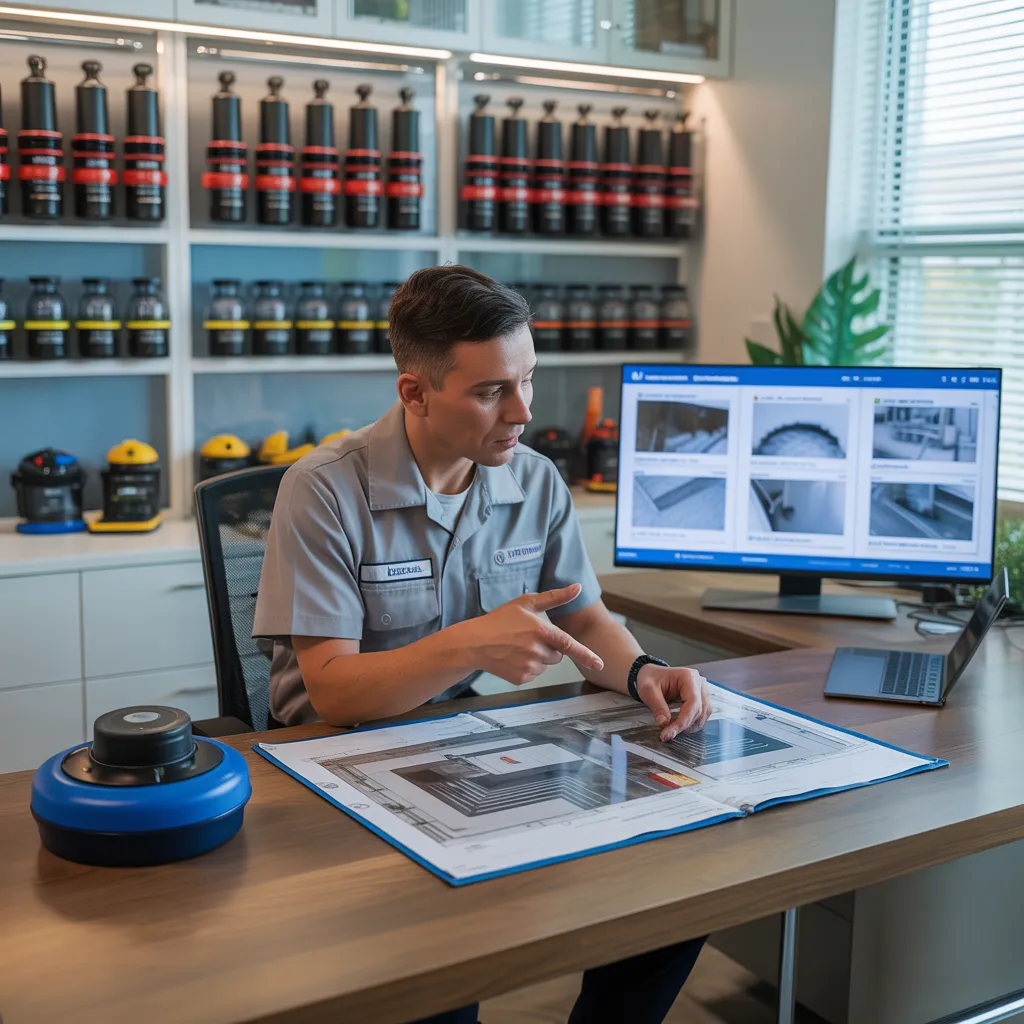
Authorities in mold treatment start the process with an in-depth initial assessment to pinpoint the extent and source of the problem. In this phase, they perform visual inspections, examining signs of mold growth, water damage, and moisture sources. Applying specialized tools, such as moisture explore this topic meters and thermal imaging cameras, they analyze hidden areas prone to mold infestations. The assessment also involves air quality testing to detect the presence of mold spores. Professionals often consult with property owners to acquire information about previous water incidents or humidity concerns. This exhaustive evaluation allows them to formulate an effective remediation plan customized to the specific conditions of the property, ensuring a targeted strategy for mold removal and prevention.
Containment and Removal Techniques
materials like drywall or carpeting that resist cleaning, such as drywall or carpeting, may need to be removed and discarded. Throughout the process, experts use safety gear
Post-Cleanup Validation Processes
Guaranteeing successful mold removal entails a sequence of vital post-remediation confirmation steps. After the removal process, mold removal specialists conduct meticulous inspections to assess the impact of their work. This covers direct assessments and moisture level tests in compromised areas. Air quality analysis is also performed to identify any remaining mold spores, making certain that air quality has gone back to safe levels. Experts may apply purpose-built equipment, such as thermal imaging cameras, to detect hidden moisture. Once all testing is concluded, they prepare a extensive report outlining findings and any necessary follow-up actions. This confirmation process not only validates the success of remediation efforts but also provides homeowners with peace of mind in relation to their indoor environment's safety and wellness.
Benefits of Bringing in Mold Specialists
When grappling with a mold crisis, contracting professionals can notably reduce health dangers and property damage. Mold experts maintain the competence demanded to uncover the root cause of the infestation and evaluate its extent. Their background enables them to deploy state-of-the-art equipment and professional techniques that are often beyond reach to typical residents, ensuring successful removal and inhibition of subsequent occurrences.
In addition, experienced contractors supply a systematic framework to mold remediation, which includes meticulous inspections, control strategies, and responsible removal of affected materials. This reduces the potential of spore proliferation to unaffected areas. Moreover, experienced contractors copyright industry standards and guidelines, ensuring peace of mind that remediation work are executed safely and productively.
Expectations During the Mold Remediation Stages
During the mold restoration process, homeowners can expect a rigorous and structured approach to managing the matter. At the outset, contractors conduct a thorough examination to locate the extent of the mold infestation and any concurrent water-related issues. This analysis informs the treatment plan designed to the distinct situation.
Next, the perimeter is secured to inhibit mold spores from propagating, often using plastic sheeting and negative air pressure systems. Following containment, technicians safely clear contaminated materials, such as drywall or insulation, and apply specialized cleaning solutions to sanitize surfaces.
Air quality analysis may also be performed to confirm that mold spores are thoroughly eliminated. Once remediation is complete, professionals may propose repairs and restoration to return the space to its original condition. Homeowners should anticipate clear communication throughout the process, guaranteeing they understand each step taken to protect their health and restore their home.
Tips for Eliminating Future Mold Development
After completing the mold removal procedure, homeowners can take preventive measures to avoid future mold growth. First, maintaining low indoor humidity levels is crucial; using dehumidifiers in damp areas helps keep moisture at bay. Regularly inspecting and repairing any leaks in roofs, plumbing, or walls will also reduce water accumulation, a key factor in mold development.
Additionally, residents are advised to make certain of proper ventilation in attics, basements, and bathrooms. Opening windows and running exhaust fans can greatly minimize moisture. It is advisable to clean and maintain gutters habitually to prevent water overflow.
Also, selecting moisture-inhibiting items for paint and drywall can offer an additional layer of defense. Finally, homeowners should think about engaging in periodic mold evaluations, as early detection is vital for effective management. By implementing these strategies, people can forge a more healthy living environment and markedly lower the threat of mold return.
Commonly Asked Questions
How Much Do Expert Mold Remediation Services Typically Price?
Professional mold remediation services generally cost between $500 to $6,000, subject to the extent of the infestation, the dimensions of the area affected, and the specific techniques applied by the remediation company.
Does My Insurance Cover Mold Remediation Costs?
Insurance coverage for mold removal varies considerably by policy. Some homeowners' insurance plans may pay for mold-related expenses if the damage resulted from a covered peril, while others omit mold entirely. Reviewing the specific policy is critical.
What timeframe Should You Expect for Mold Remediation?
The mold removal procedure generally takes between one and five days, depending on the extent of the infestation and the size of the affected area, as well as the particular removal techniques utilized.
Can I remain in My Home During Remediation?
Staying in the home during mold remediation is typically inadvisable. Professionals often suggest leaving the property to guarantee safety, reduce spore contact, and allow effective treatment of the contaminated spaces without interference.
Which Certifications Should I Examine in Mold Remediation Professionals?
When seeking mold removal professionals, one should search for certifications such as IICRC, NORMI, or ACAC. These credentials indicate expert instruction and adherence to industry standards for safe and effective mold removal practices.